|||
|
|
🗝 Login
🤖 Create Account
Main Menu
🚤 Model Boats
• Forum
• Build Blogs
• Media Gallery
• Boat Clubs & Lakes
• Events
• Boat Harbour
• How-To Articles
• Plans & Docs
• Useful Links
• The Games Chest
This Website
🔍 Search
📝 Guestbook
👨👩👧👦 Members (1,783)
📖 Quick Site Guide
📣 Support
👥 Membership
Hobby Supplies
🛍️ Online Shop
Not Registered
Go AD FREE & get your membership medal
BRONZE
Less Ads
SILVER
GOLD
Ad Free
Cancel
Anytime
Anytime
£2.50
£4.50
£6.50
Subscribe
Go AD FREE & get your membership medal
BRONZE
Less Ads
SILVER
GOLD
Ad Free
For A Whole Year!
£25
£45
£65
Donate
You Will Be Helping Towards:
Domain Fees
Security Certificates
iOS & Android App Fees
Website Hosting
Fast Servers
Data Backups
Upkeep & Maintenance
Administration Costs
Without your support the website wouldn't be what it is today.
Please consider donating towards these fees to help keep us afloat.
Read more
All donations are securely managed through PayPal.
Many thanks for your kind support
Without your support the website wouldn't be what it is today.
Please consider donating towards these fees to help keep us afloat.
Read more
All donations are securely managed through PayPal.
Many thanks for your kind support
Join Us On Social Media!

|

|

|
Download The App!


Login To
Remove Ads
Remove Ads
Login To
Remove Ads
Remove Ads
🏝️ About This Website
☝️ Terms of Service
🔏 Privacy Policy
Model Boats Website
Model Boats Website
Home
Forum
Build Blogs
Media Gallery
Boat Clubs & Lakes
Events
Boat Harbour
How-To Articles
Plans & Docs
Useful Links
The Games Chest
Welcome to the Model Boats Website! A place for all model boaters!
Feel free to browse through the website, ask your questions, upload your photos or even start your own blog!
Feel free to browse through the website, ask your questions, upload your photos or even start your own blog!
Login To
Remove Ads
Remove Ads
Trending Now
Forum
Question of the Day?
The Feb 1st question was not only the longest, but also the most obvious!
Dave
🇺🇸 DWBrinkman

4 hours ago
Forum
New Members
I'll always say to new members that no question is a silly question. From new to experienced we all get stuck at some point and that's the delight of a forum like this. Nobody is judgemental and everyone is friendly. See here as going back in time to a traditional setting where everyone is here to help one another and learn something new
🇬🇧 HappyHaggis

5 hours ago
Forum
Maiden of the "Bad As%" airboat
He certainly did Dave. Won't be showing face again for some time
🇬🇧 HappyHaggis
5 hours ago
Blog
Re: Palfinger PB-950A (kinda)
Have you an stl file for the bucket. I have a bunch of these sitting here doing nothing. I fitted a 10amp brushless esc and running one with a 2s 1000mah. It woke the little motor up
🇬🇧 HappyHaggis
5 hours ago
Blog
Re: Palfinger PB-950A (kinda)
Have you an stl file for the bucket. I have a bunch of these sitting here doing nothing. I fitted a 10amp brushless esc and running one with a 2s 1000mah. It woke the little motor up
🇬🇧 HappyHaggis
5 hours ago
Forum
Batteries
As for me I believe I got rid of all my Nicads a while back. Even the NiMh batteries seem to be dying off. Right now I'm moving many of my batteries operated vehicles and boats to lithium ion. This seems to be much safer than the lithium polymer.
Lew
🇺🇸 LewZ

6 hours ago
Forum
Animal and nature photos to enjoy.
Colin, I hope good things will happen to you in the near future. Looks like you've got your plate full.
As for us I guess we asked too much for cool weather. Not much in model boating going on lately in our area. Very unusual. Already missed three meets and tomorrow will be the fourth, including me being sick missing one.
A good chance to catch up on things that need to be done, especially getting the house back in order, and doing some model fix up. I am currently working on modifying a 1/16 scale toy semi trailer into RC control.
This is a good scale and it matches my Springers and my armor.
To all of you in the northern hemisphere I hope you stay warm.
Lew
🇺🇸 LewZ
6 hours ago
Forum
Difficult Restoration's?
I have the Graupner plans for the cruiser Emden. I had the Wotan kit complete but enthusiasm died a bit and I sold her on.
Roy
🇬🇧 roycv

8 hours ago
Blog
Re: 1930 Runnabout Build Update
Thank you for the kind words, the tubing is conduit for the wiring for the bow lite.
🇺🇸 pressonreguardless

18 hours ago
Blog
Re: The Forward Deck, Adding More Detail.
You definitely made the right decision there, it looks just the job, some fine precision work.
Chris
🇬🇧 ChrisF
1 day ago
Blog
Re: HAGGIS 150 Outboard
I have a couple of the TFL outboards and they have been fairly reliable even when used in the sea. I fitted a waterpump so they keep cool even at idle. I just needed something with more low down torque to push a heavy hull rather than flat out speed. I've another scaled up version of my outboard for a 850 brushed motor that i'll get round to soon. Issue i have is the endless list of boats and parts to print. The printer has literally been printing every day since july. It only stops for filament change and a service then both of them are flat out again. Things have gotten so bad that i've a camp bed on my living floor as my double bed is covered in boats and helicopters. I am moving some to my lockers in the clubhouse soon to try get some normality back
🇬🇧 HappyHaggis
2 days ago
Forum
A trip out
Hi philuk,
Certainly was an interesting afternoon, reasonably priced cafe as well. Somebody evidently travelled over 100 miles. Lots of interesting stuff but keep your eyes open as it's not in order apart from the big machinery. You could easily spend around 3 to 4 hours in there.
🇬🇧 Doogle
2 days ago
Event
Edina Model Yacht Club at the Minneapolis Boat Show
Dave
Thank you so much for that photo. Here was me thinking it was going to be a soldering iron job and circuit boards. That doesn't look too complicated,
Regards
Scott
🇬🇧 HappyHaggis
2 days ago
Forum
A cold blustery day for myself and my Picket
Thank you hermank and DWBrinkman. It was well needed and i'm off to the clubhouse to carry on some renovation work tomorrow morning. This is the smaller pond that i use as our main club pond is empty till late March. Have my battery on charge again and will see about a short sail tomorrow afternoon. I had a maiden of my little airboat too that i'll post shortly
🇬🇧 HappyHaggis
3 days ago
Harbour
Re: Atlantis
I'll get back to you on the fittings kit as i seen one available somewhere and trying to find it again
🇬🇧 HappyHaggis
3 days ago
Forum
Model slipway 1/16 RNLI Tamar Lifeboat
I guess since this is a lifeboat going out to make a rescue, the old song, “What do you do with a drunken sailor”
makes a good application, he won’t be able to tell you anything about the reds and greens. He is just be glad you are there to rescue him.️
🇨🇦 Ronald
3 days ago
|

New Member
France
 AlexandreR
4 minutes ago
New Member
Canada
PeterW37 hours ago
New Promotion
Rear Admiral
Wolle21 hours ago
New Member
United Kingdom
1hlsrpap21 day ago
Account Updated
Changed Avatar
JSS41 day ago
New Member
Canada
JSS41 day ago
New Member
United States
Doug12 days ago
Birthday This Week
Turns 70
Javelin13 days ago
New Member
United Kingdom
ChristopherG3 days ago
New Promotion
Chief Petty Officer 1st Class
 AndyB2
3 days ago
New Promotion
Lieutenant Commander
 PhilH
PhilH3 days ago
New Member
United States
RichardC53 days ago
Account Updated
Updated Signature
Jimmer3 days ago
Account Updated
Updated 'About Me'
Jimmer3 days ago
Birthday This Week
Turns 66
Millwall Steve4 days ago
New Member
Australia
Jimmer4 days ago
New Member
United Kingdom
MarkK4 days ago
Birthday This Week
Turns 59
technhobby514 days ago
New Member
United Kingdom
Malcolm Watts4 days ago
Account Updated
Updated 'About Me'
Ant-Xb5 days ago
New Member
United Kingdom
Ant-Xb5 days ago
New Member
United Kingdom
Raymondh5 days ago
New Promotion
Midshipman
HappyHaggis6 days ago
Account Updated
Changed Avatar
HappyHaggis6 days ago
New Member
United Kingdom
shenfield6 days ago
Account Updated
Updated 'About Me'
HappyHaggis6 days ago
New Member
United Kingdom
RodK6 days ago
New Member
United Kingdom
YaoL7 days ago
New Member
United Kingdom
IanH58 days ago
New Member
France
hercule8 days ago
New Member
United Kingdom
SimonC9 days ago
New Member
United States
PaulD1010 days ago
New Member
Argentina
ScoutS10 days ago
New Promotion
Able Seaman
 Kennybeck
10 days ago
New Member
United Kingdom
snah7310 days ago
New Promotion
Master Seaman
 ScouterChil
10 days ago
Birthday This Week
Turns 87
geraldl10 days ago
New Member
Australia
PeterJ510 days ago
New Promotion
Sub-Lieutenant
 bruce1946
11 days ago
New Promotion
Master Seaman
merchant6711 days ago
New Member
Indonesia
BayoeB11 days ago
New Promotion
Leading Seaman
 Hermione
11 days ago
New Member
United Kingdom
RichardW12 days ago
New Member
Australia
GaryPArmstrong12 days ago
New Member
United Kingdom
DavidR412 days ago
Birthday This Week
Turns 82
Peejay13 days ago
New Member
Spain
JessO13 days ago
New Member
United Kingdom
HarryE13 days ago
See More
Forum Topics
Question of the Day?
The Feb 1st question was not only the longest, but also the most obvious!
Dave
4 hours ago by 🇺🇸 DWBrinkman ( Commodore)
Commodore)
Website Related
5444 Posts
13676 Likes
13676 Likes
Started
3 years ago
by fireboat
3 years ago
by fireboat
Latest
4 hours ago
by DWBrinkman
4 hours ago
by DWBrinkman
New Members
I'll always say to new members that no question is a silly question. From new to experienced we all get stuck at some point and that's the delight of a forum like this. Nobody is judgemental and everyone is friendly. See here as going back in time to a traditional setting where everyone is here to help one another and learn something new 🤗
5 hours ago by 🇬🇧 HappyHaggis ( Midshipman)
Midshipman)
Hobby Chit Chat
2 Posts
1 Like
1 Like
Started
6 hours ago
by Ronald
6 hours ago
by Ronald
Latest
5 hours ago
by HappyHaggis
5 hours ago
by HappyHaggis
Maiden of the "Bad As%" airboat
He certainly did Dave. Won't be showing face again for some time 😂
5 hours ago by 🇬🇧 HappyHaggis ( Midshipman)
Midshipman)
Hobby Chit Chat
6 Posts
12 Likes
12 Likes
Started
3 days ago
by HappyHaggis
3 days ago
by HappyHaggis
Latest
5 hours ago
by HappyHaggis
5 hours ago
by HappyHaggis
Batteries
As for me I believe I got rid of all my Nicads a while back. Even the NiMh batteries seem to be dying off. Right now I'm moving many of my batteries operated vehicles and boats to lithium ion. This seems to be much safer than the lithium polymer.
Lew
6 hours ago by 🇺🇸 LewZ ( Vice Admiral)
Vice Admiral)
RC & Electrics
4 Posts
12 Likes
12 Likes
Started
17 hours ago
by GARTH
17 hours ago
by GARTH
Latest
6 hours ago
by LewZ
6 hours ago
by LewZ
Animal and nature photos to enjoy.
Colin, I hope good things will happen to you in the near future. Looks like you've got your plate full.
As for us I guess we asked too much for cool weather. Not much in model boating going on lately in our area. Very unusual. Already missed three meets and tomorrow will be the fourth, including me being sick missing one.
A good chance to catch up on things that need to be done, especially getting the house back in order, and doing some model fix up. I am currently working on modifying a 1/16 scale toy semi trailer into RC control.
This is a good scale and it matches my Springers and my armor.
To all of you in the northern hemisphere I hope you stay warm.
Lew
6 hours ago by 🇺🇸 LewZ ( Vice Admiral)
Vice Admiral)
Non-Hobby Chat
274 Posts
1831 Likes
1831 Likes
Started
2 years ago
by Wolle
2 years ago
by Wolle
Latest
6 hours ago
by LewZ
6 hours ago
by LewZ
|
|
Login To
Remove Ads
Remove Ads
Build Blogs
1 Post
1 Follower
2 Likes
Palfinger PB-950A (kinda)
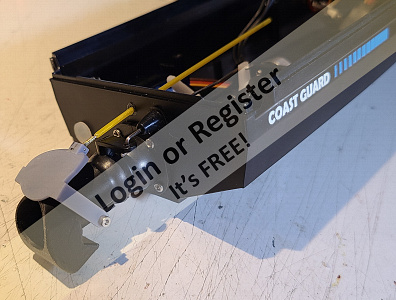
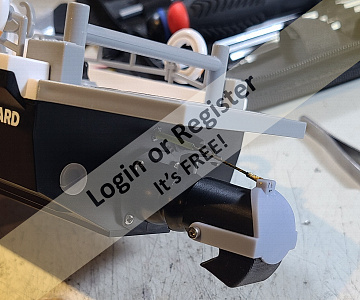
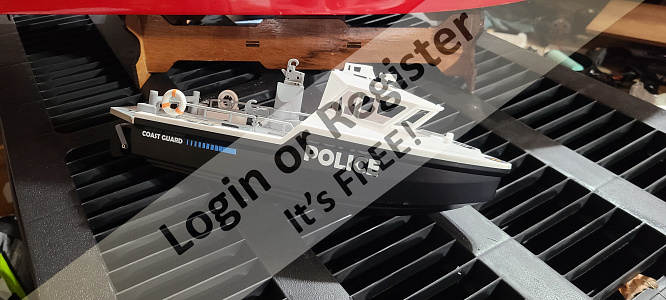
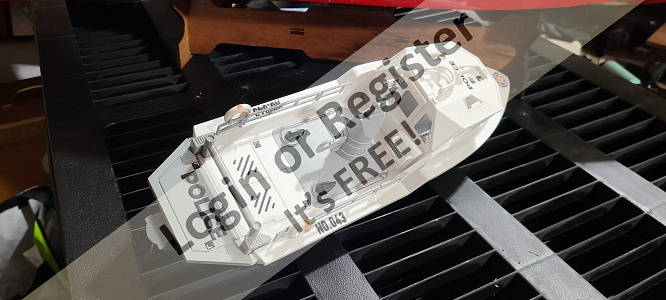
I saw this little jetboat on Aliexpress and wondered what it might take to get it properly running. After seeing some breakdown videos on jetboats and modifying my Proboat PBR, I decided to give it a try. It's a decent 1s powered brushless jetboat but it lacks a decent control system and reverse. I gutted the control system and added a small 1s brushless esc/receiver unit for a micro plane. The reverse is controlled by a 9g servo, and the bucket is scaled down from a file meant for the Proboat PBR. It's run off a logical switch within Edgetx. When reverse throttle is applied the motor runs forward and the bucket drops automatically. I might change it to a 2s system and it still needs detailing and lights. I'm thinking about repainting it in Canadian Coast Guard markings
🇨🇦 JSS4
5 hours ago
3 Posts
2 Followers
29 Likes
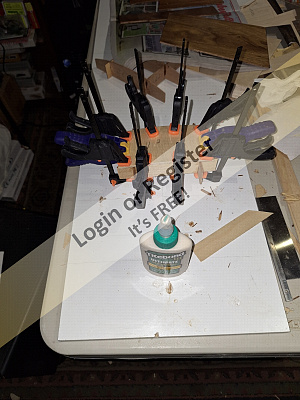
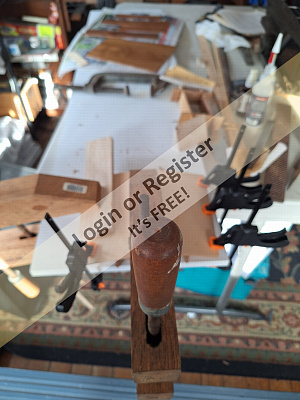
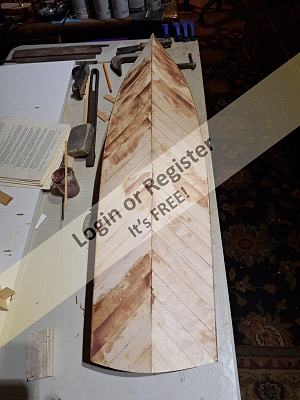
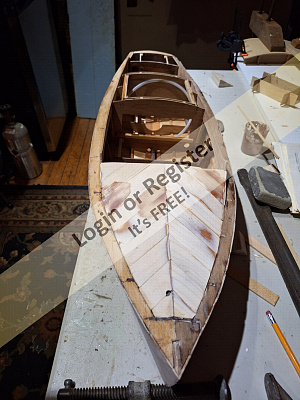
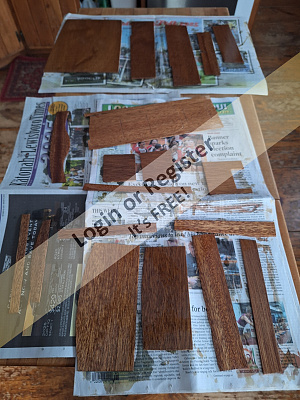
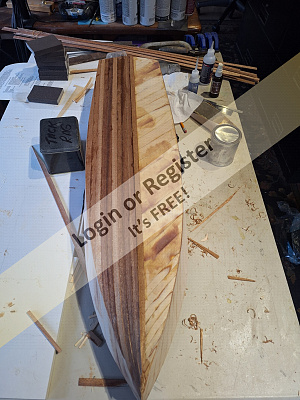
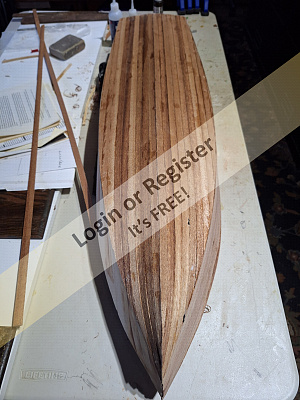
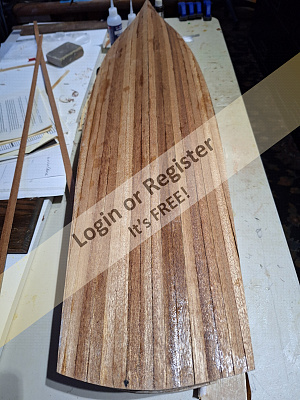
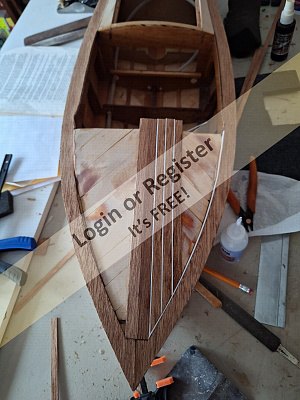
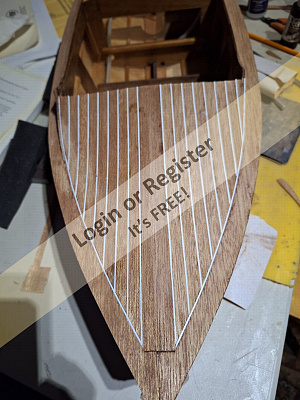
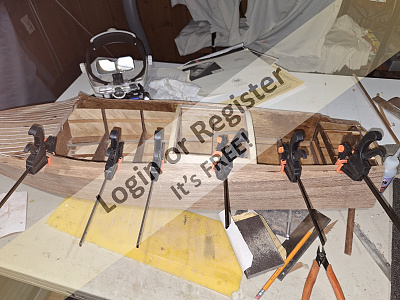
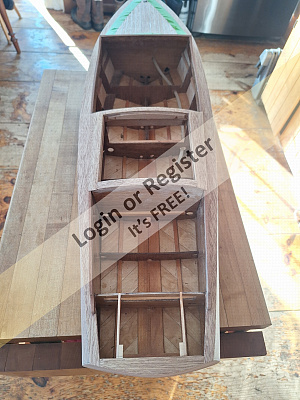
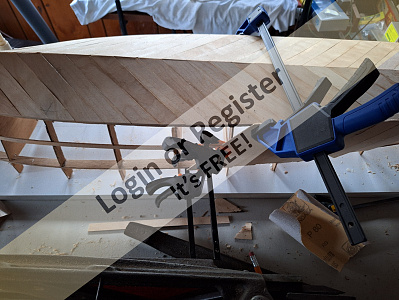
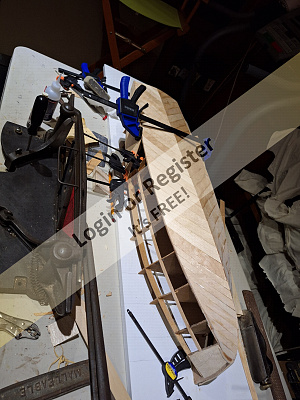
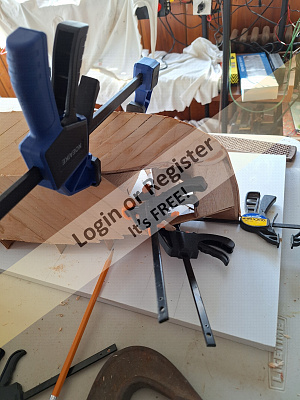
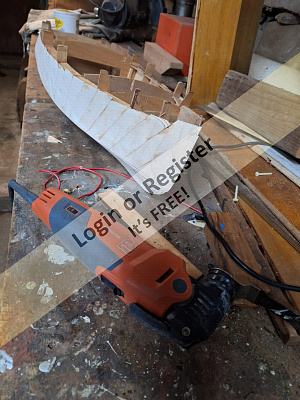
1930 Cris Craft Runabout Dumas Kit 1230
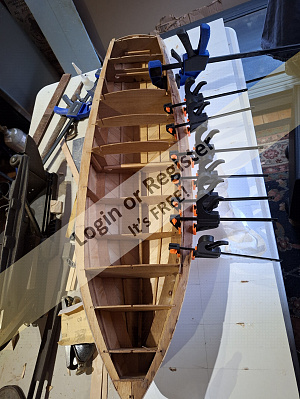
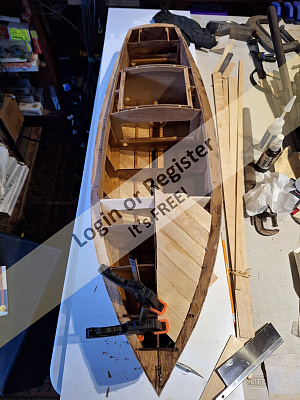
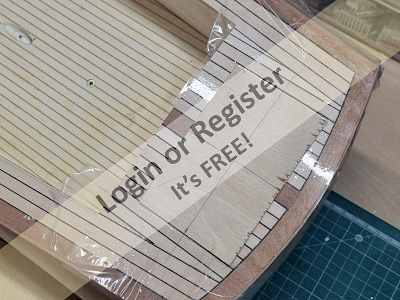
Started the Runabout.
Using my Lion Miter trimmer to cut the planks, and my block plane to
trim to the chine. Then a sanding block for the final fit.
🇺🇸 pressonreguardless
1 day ago

28 Posts
28 Followers
379 Likes
The VMW Marlin Cabin Cruiser by Robbob
The VMW Marlin Cabin Cruiser by Robbob
Preface.
At the time of writing, I’ve had the construction of this boat on ‘the back burner’ since July 2022. By then I had spent about two months on and off constructing the boat to a stage where I could consider applying a glassfibre cloth and epoxy finish to the hull. However I couldn’t spend any more time on the Marlin project as I had a more important project to undertake, which was to paint, decorate, refurbish and prepare our house for sale so that we could downsize and move to a new area now that our kids had all fled the nest.
Fast forward to today (mid-April 2025) and it’s taken a while to get the new house and gardens into shape and settle in, with the emphasis on converting my internal garage into a great new workshop, I can finally pick up from where I left off.
Introduction to the kit.
This new model is the latest undertaking by Vintage Model Works, now famous for their very popular models of the RAF Crash Rescue Tender and Thames River Police Boat kits which are based on old Aerokits and Veron designs.
The Marlin is a re-working of an original Veron design by the late Phil Smith in 1953. His son Colin Smith, who was also responsible for the re-design of the Thames River Police Boat, has made some changes to his father’s design to take advantage of more modern materials and production methods such as CNC and laser cutting.
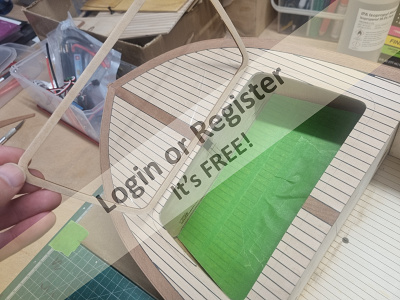
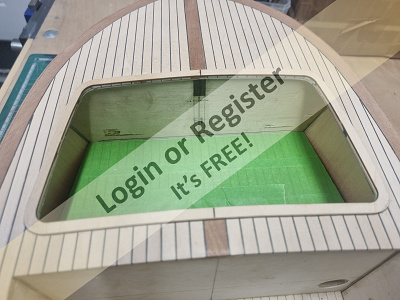
The photograph below is of a prototype built by Colin Smith to give you an idea of how the boat looks in finished form. And there is also a review of the Marlin that appeared in Model Maker magazine, November 1953.
The size remains at 36” and it employs the same construction method as the original. The spacious cabins of the boat makes it very easy to accommodate all the latest control hardware required, not that the original was lacking in that area even when the radio systems used valves and large batteries and the propulsion was usually IC or a large electric motor.
Even the pre-production sample the Vintage Model Works kit supplied to me is well presented with a full size drawing including a pictorial construction sequence and separate pages of building instructions.
All the required materials are supplied in quality ply, balsa, strip-wood and dowel including clear plastic sheets for the windscreens, and various white metal deck fittings. The builder is of course required to supply their own adhesives and paint of choice, as well as the propulsion, drive train and radio control gear. In the latter respect I will likely restrict control to throttle and rudder and not add any lighting or other features. That has already been done magnificently by Mike Turpin.
Construction.
As with the Thames river police boat, another Veron design, construction starts with the assembly of a box structure onto which formers and bulkheads are attached to make the basic hull shape.
I will be tackling this in the first part of my build blog which I hope you will enjoy following and I encourage you to ask questions, leave comments and hopefully some ‘likes’ as I make progress.
Robbob.
🇬🇧 robbob
2 days ago


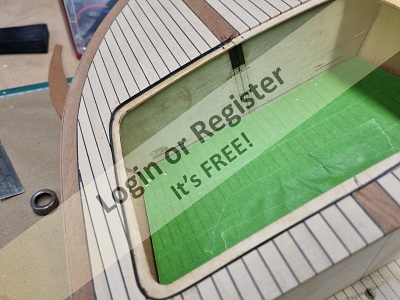

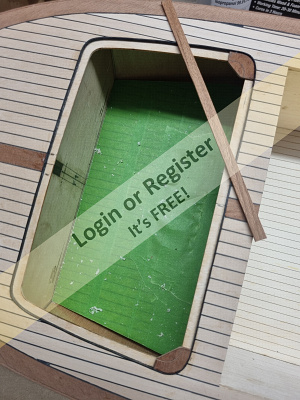




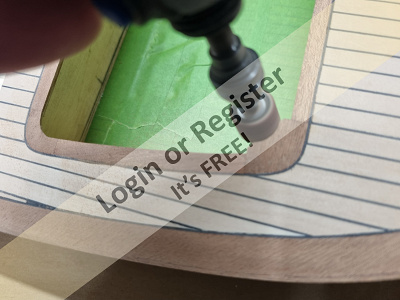
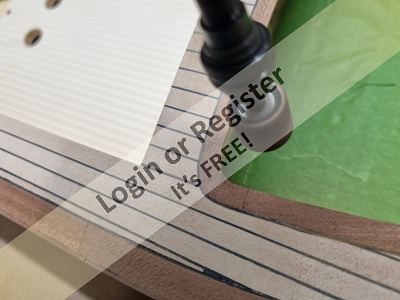

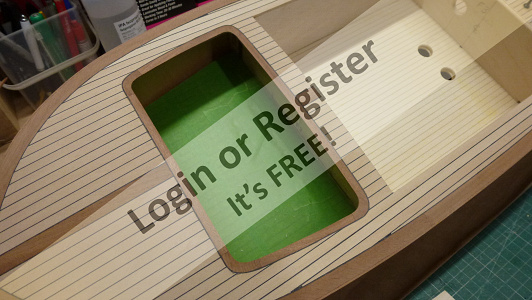
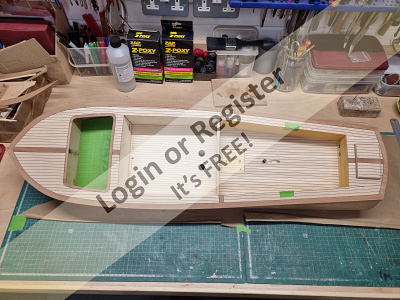
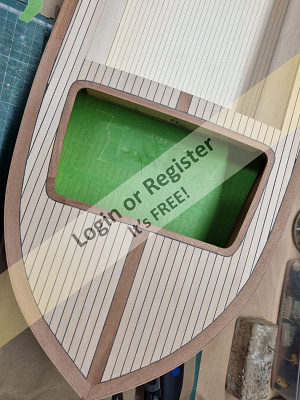
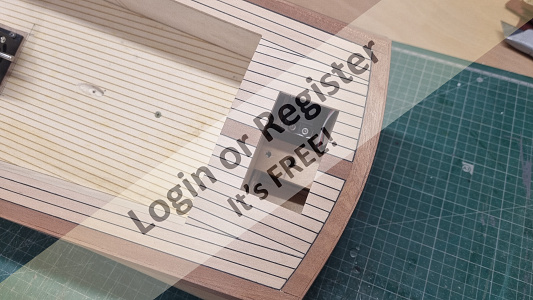
5 Posts
4 Followers
26 Likes
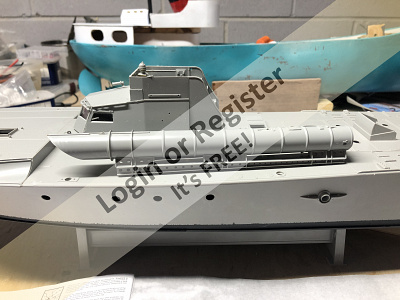
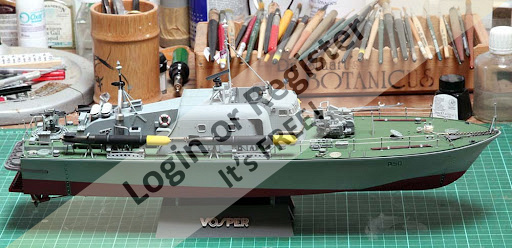
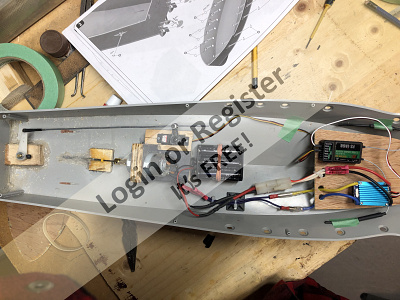
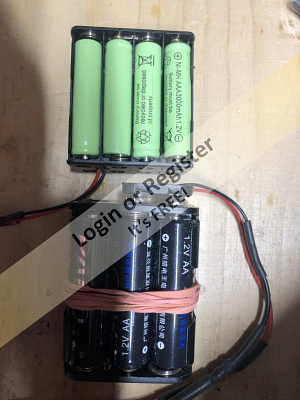
Vosper
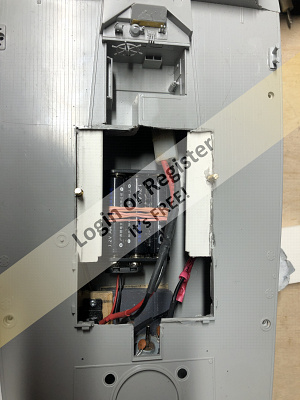
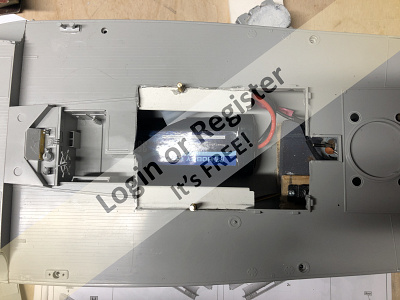
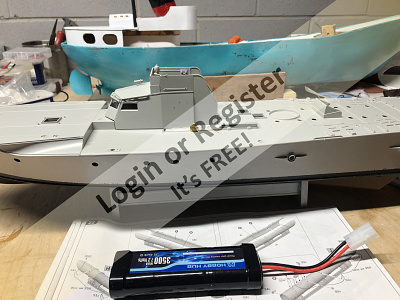
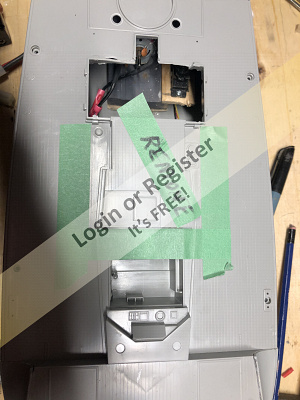
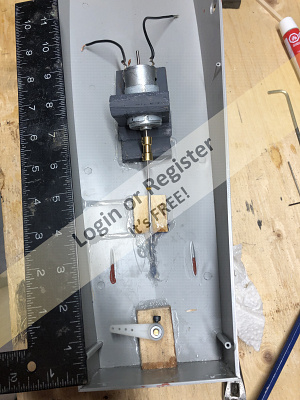
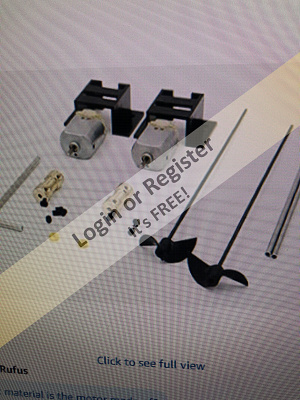
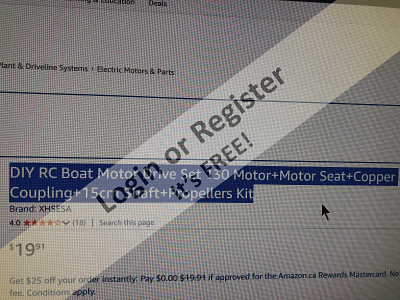
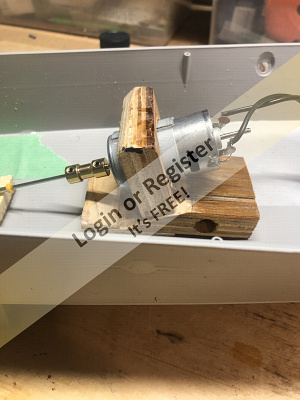
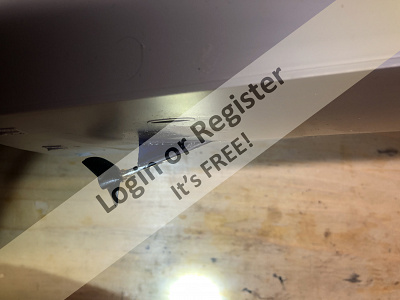
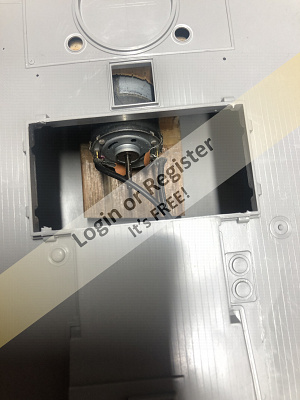
Today was another part constructed. The motor mount is built, the propeller shaft and the propeller is installed need to wait till the glue sets and then I'll glue the motor in place.
🇨🇦 GARTH
3 days ago
8 Posts
4 Followers
21 Likes
Wave master boat
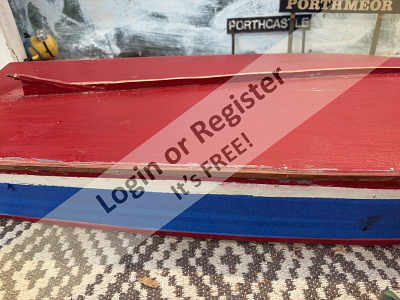
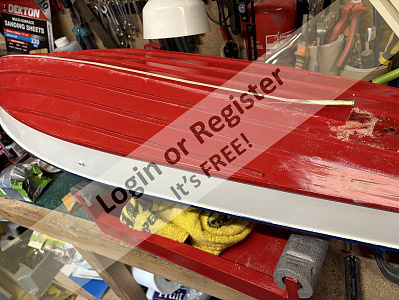
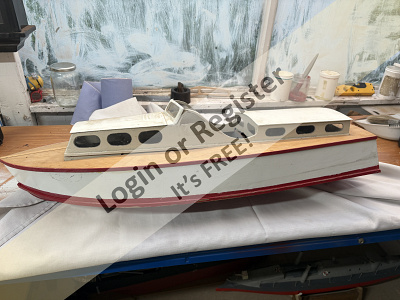
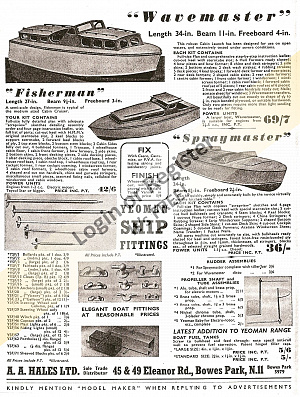
This is a classic wave master it was built in the fifty's a nd a internet buy I have stripped out the rc engine and its tanks now on the research stage there are a few issues rear end smack thats had a poor repair done and the spray rails do not fit well of its history I know nothing
🇬🇧 Stephen T

3 days ago

3 Posts
4 Followers
15 Likes
Fairey Fisherman 27
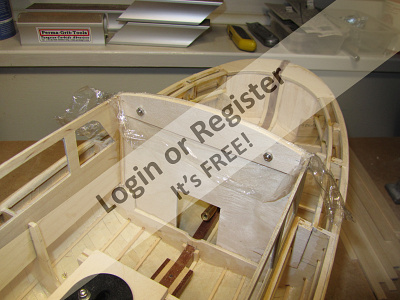
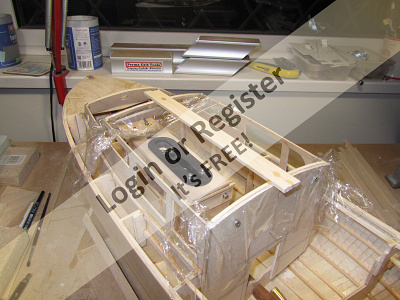
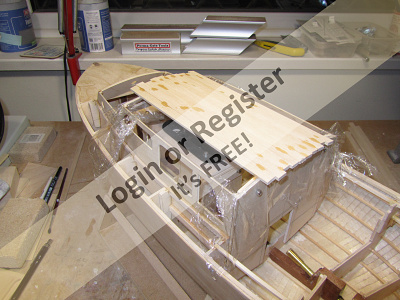
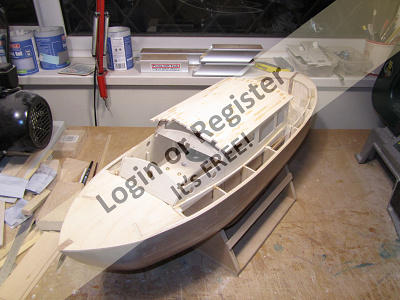
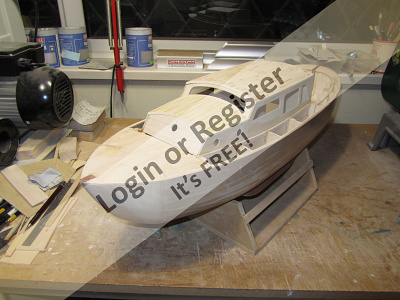
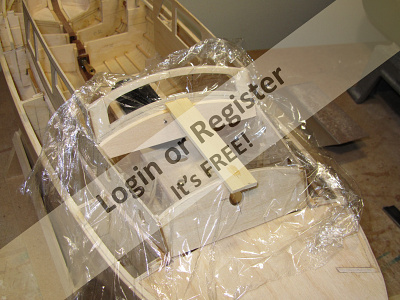
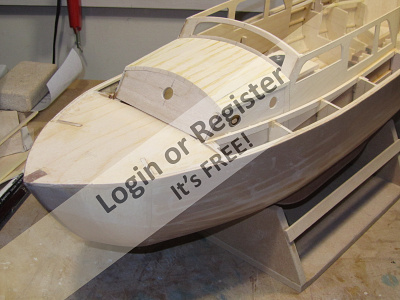
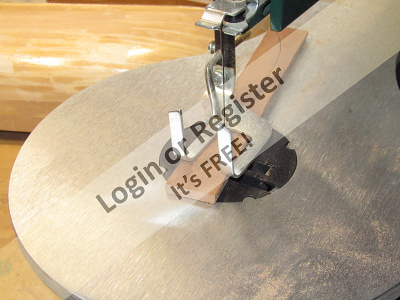
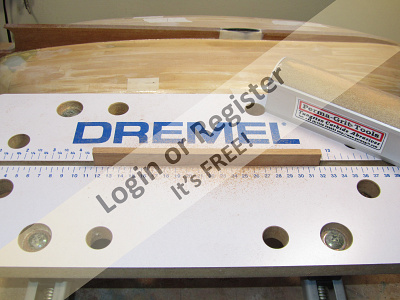
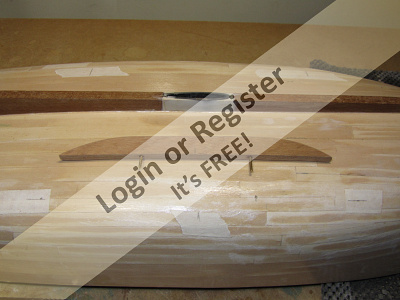
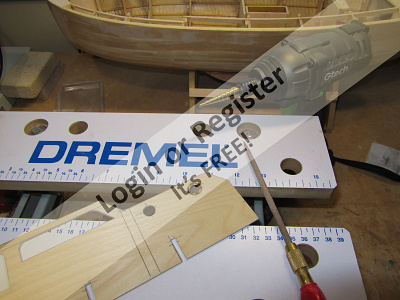
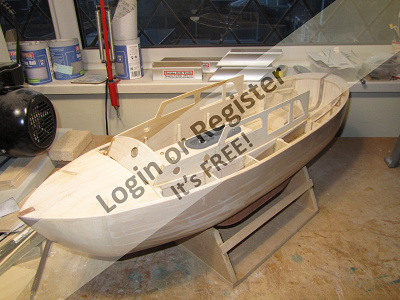
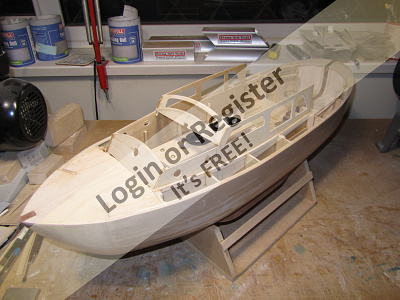
Made the bilge keels from two laminations of mahogany sheet to get the correct thickness and then glued them in place. Once this was done I was able to return to the superstructure. Drilled the holes for the portholes and then glued the cabin sides in position.
Made the forward cabin front window and glued in followed by that for the rear cabin. Bolted and screwed the upper support for the drop keel whilst I still had easy access.
Really starting to take shape now but still a long way to go!
Chris
🇬🇧 ChrisF
3 days ago



1 Post
1 Follower
4 Likes
HAGGIS 150 Outboard
This came about from wanting to build a harbour support vessel though couldn't find the correct outboard. I spotted some Stl files for an outboard that was poorly designed and had been proven not to work. I took these files and amended several parts and altered the shape of the leg slightly.
Instead of working with a shaft and gears its a flexshaft coupled to a 540 brushed motor with a realistic water cooling inlet and outlet. It's designed for high torque and low speeds. Its fitted with my own designed 3 blade high pitch propeller for maximum thrust at low rpm.
Has been tested in the bath so far and works very well. Just needing to build or find that harbour support to attach a couple or 4 of these too
Here it is running on the test hull.
🇬🇧 HappyHaggis
4 days ago

1 Post
0 Followers
10 Likes
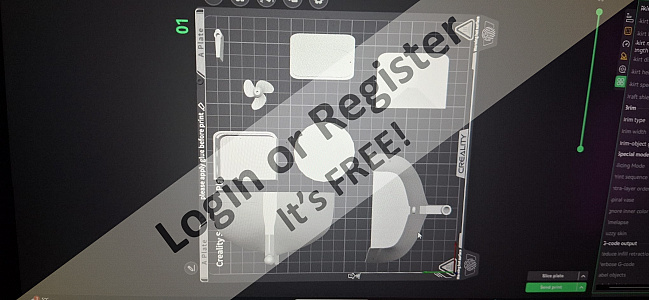
A Beginners Vessel
Testing the water with this one as although i enjoy building boats from scratch i also enjoy designing them and printing them which takes up many many hours.
I'm still indecisive to what it should be called as in my eyes it's not a flat plan build so cannot be classed as scratch built.
So here she is. Her name is "Le Boat" and a very small just under 26cm long very basic mock up multiple old french trawlers i was basing her on.
The idea behind her was to provide newcomers to our club a very basic, cheap and easy to glue together model that the first timer would still be proud of.
They still have to paint and fit the running gear so it's a short but positive learning curve that will hopefully have them wanting to progress from there.
The actual model is right now printing and will be finished in 20 hours so will update how she will really look then.
Motor 280-380
10-15amp esc
9g servo though smaller might work just as well
2s li-ion 800mah
Will probably print some netting along with a couple of sailors for the deck, maybe a box of fish though will see how she comes out
🇬🇧 HappyHaggis
4 days ago
19 Posts
19 Followers
196 Likes
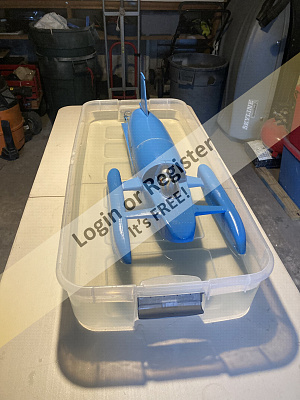
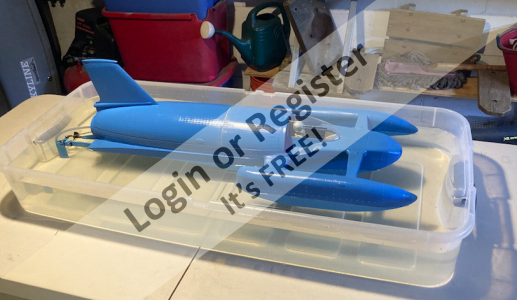
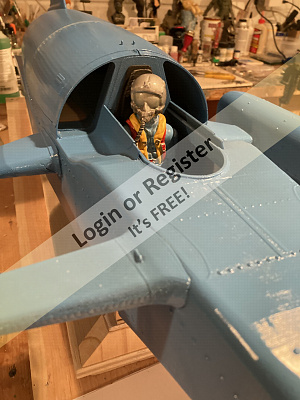
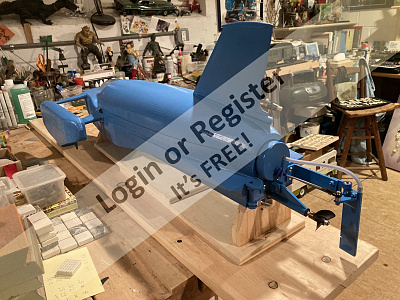
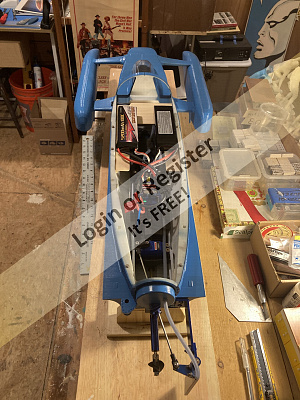
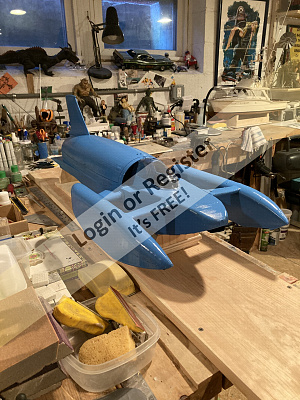
Bluebird k-7
Hello all! Before my two week sojourn out to California starting tomorrow...
Here she is, all 31 inches and 4.8 pounds of 3D printed 1/10th scale madness. And the questions are starting arise after more than a few hours spent in research. How to get her to plane even close to scale?
1) EDF? Probably not, actually I don't think even a 90mm fan, (which will, in fact, push a faomy jet) will ever get this boat to plane.
2) Prop? Maybe with dual 6s and a killer motor, monster cooling etc. But, nowhere near scale with a big prop hanging out the back.
3) Turbine? probably yes, but way out of my league in mechanicals and $$. There will be tons of head-scratching my quickly balding head on this experiment.
This is going to go on the shelf for the long haul as my freighter needs finishing and the big Sterling Chris Craft Corvette is screaming at me. But, off to Cali for now...I will drop some pix from time to time of our travels.
Best to all!
🇺🇸 jumpugly

6 days ago


1 Post
5 Followers
13 Likes
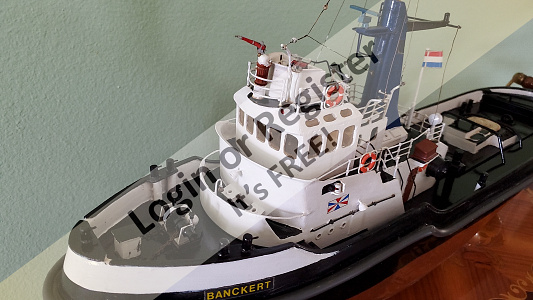
Building a rowboat 1:6 scale from Model Boat magazine
Building a rowboat 1:6 scale from this month's Model Boat magazine.
I have made many changes to the drawing and it's operation it's been interesting and fun I have a 1:6 scale doll to add to it.
It's the only way I can get the video installed to show how the Oars are working to propel the boat. I removed the link to my face book video
🇺🇸 bruce1946
7 days ago
7 Posts
9 Followers
54 Likes
New Moth MKII semi scale yacht
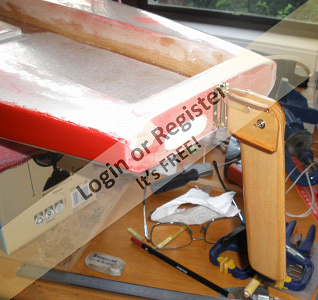
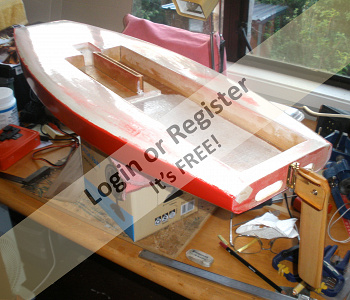
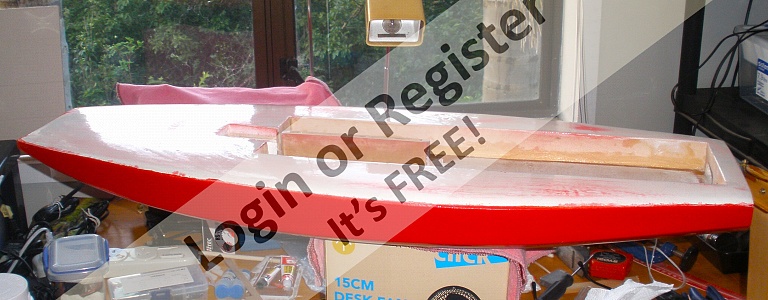
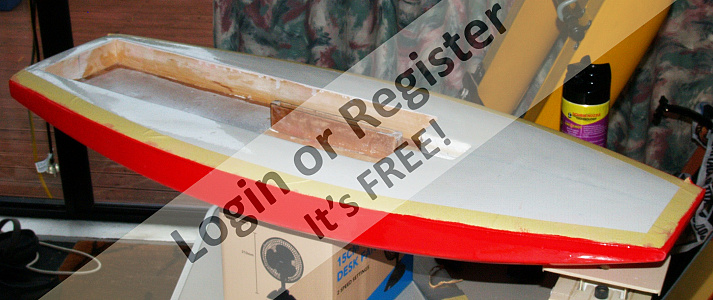
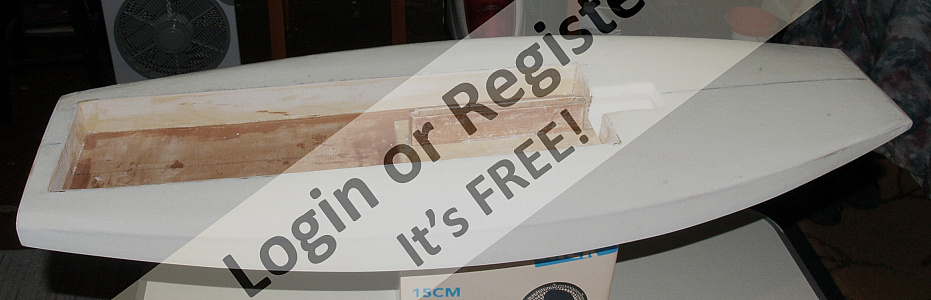
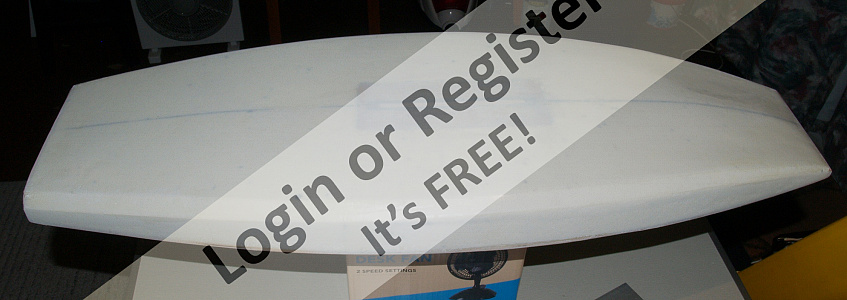
Haven't built anything for a while due to lack of space (too many models) but the urge to build something was too great. After looking at many options, I decided to go with something 'easy' to build. I found some full size plans for an Australian MkI Moth which I'm building to a MKII (double chine) style.
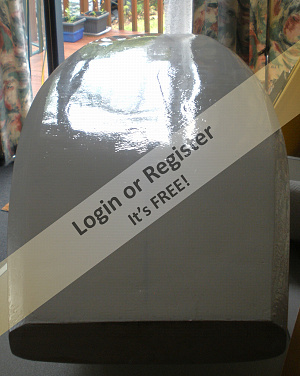
I'm building in foam and glass again to make things easier. It's 850mm long and 310 wide which is roughly 1/4 scale (original is 11 ft)
Started by converting all the lofting measurements on the redrawn 1953 plan to metric and dividing them by 4 to get the scale.
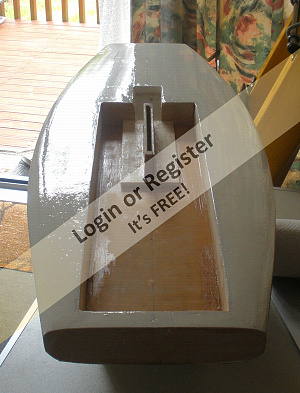
Next was creating the ply deck, then contact gluing onto it a piece of dense 50mm building polystyrene. This was then shaped with a surform file and the chines shaped afterwards using eyeometry. Then the 10mm deck foam was glued on so the deck sheer could be shaped.
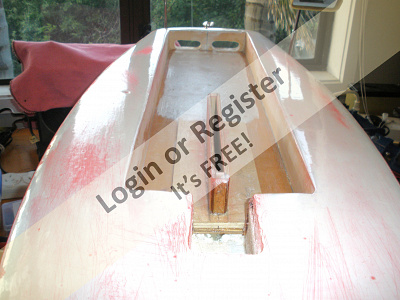
Next the cockpit foam was routered out, and basswood sides and inner transom piece epoxied in. After that, the ply outer transom piece and hardwood nose block was epoxied on.
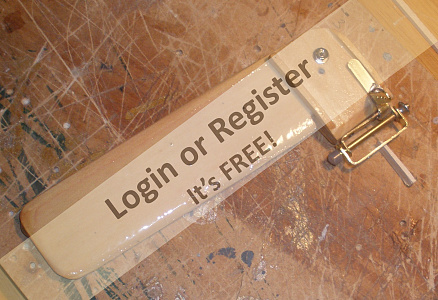
The centerboard case upper and lower ply braces were routered out (using the mill and a 1/2" slotting bit) large enough to accept the case sides, leaving enough room for the 6mm aluminium keel (can't use a centerboard for obvious reasons) which will have to have a bulb fitted.
A rebate in the bottom of the hull was routered out for the lower c/board brace. These braces are needed to form part of a box structure with the floor and cockpit sides which the c/board can lever on. Once everything is eventually glassed in, it will make it very strong unit, so the foam will just be the shape surrounding the box, and not having any strain put on it. The ply deck will take the strain of the stays/mast.
The cockpit floor was cut, and will be slotted the same as the braces, then the c/board case will be built.
The mast on this is 1.486m tall, - sail is -luff -11.295, foot 609mm, so quite large for a small boat. The full sized boat is a lot of fun to sail, so this model will be interesting to sail. Unfortunately, without the human input required, and being a performance boat, it may assume the attributes of a submarine in a stiff breeze, - time and testing will tell.
The basic mast was made from 12mm ally tube, boom from 10mm. Sail pattern was cut from art card to the plan. All laid out on the floor to get an idea of what it will look like.
PDF is the history of the Moth. There were a number of versions round the world as it went along,- scow, international moth (dinghy type) and todays high speed foiling moth.
Lots more to do yet
JB
2025 world champs, off the Whangaparaoa peninsula, just up from where I live.
https://www.youtube.com/watch?v=FuLhJ-yRLmc
https://australianclassicdinghynetwork.org/moth
https://www.youtube.com/watch?v=wWkd2e8apSI
https://www.moth.asn.au/
https://www.youtube.com/watch?v=gAifFN0RJ0M
🇳🇿 jbkiwi
8 days ago









7 Posts
5 Followers
49 Likes
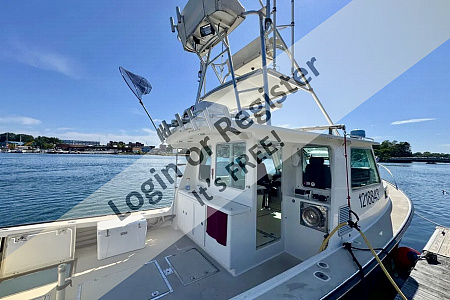
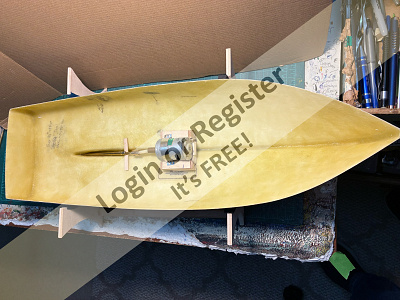
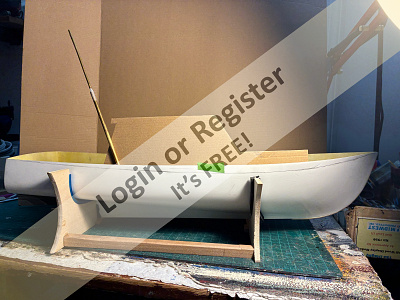
36 ft Northern Bay sport fisherman
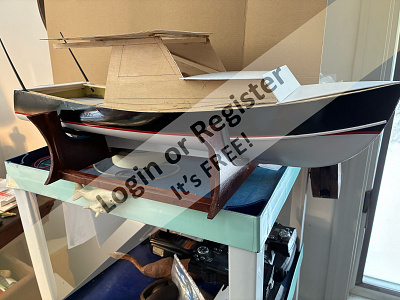
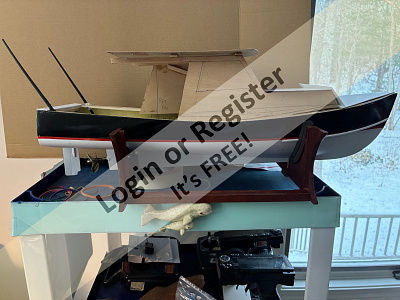
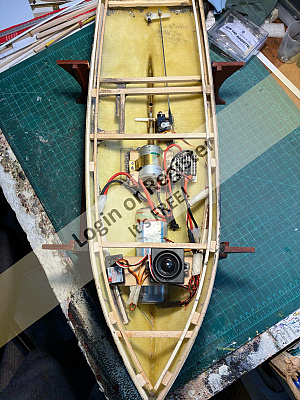
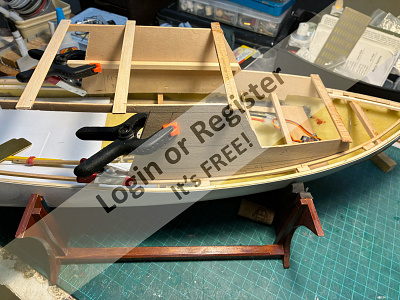
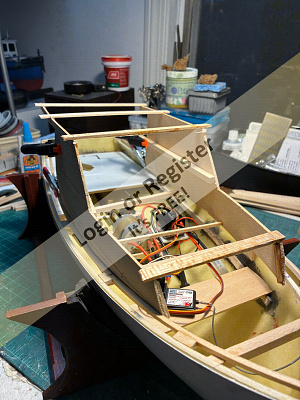
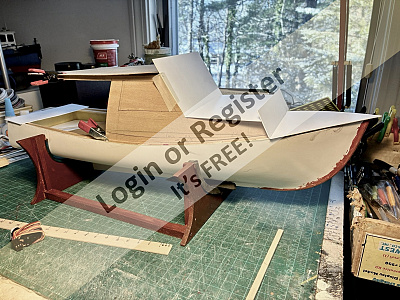
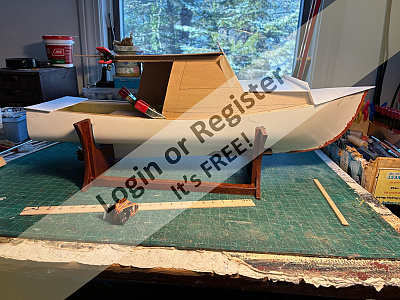
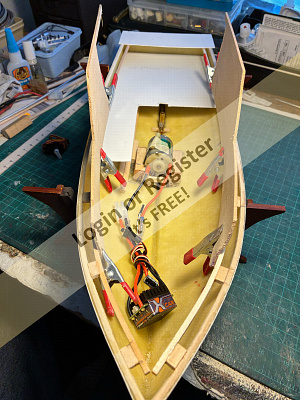
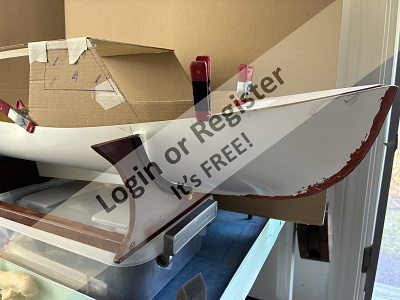
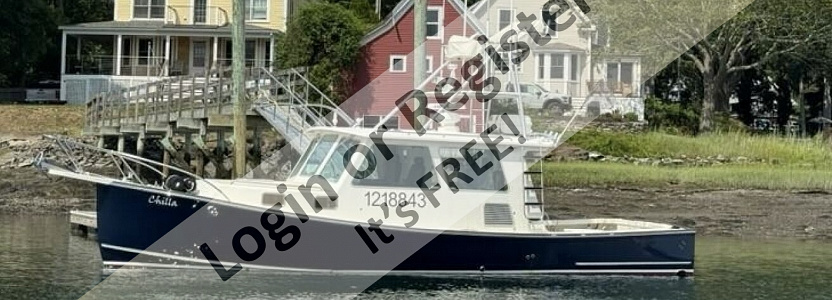
The Northern Bay lobster and sport fishing boats are built in Qgunquit, Maine. Known as Down East boats they are semi-displacement hulls. They are very good sea boats stable in heavy seas. Compared to semi-vee hulls common to many other sport fisherman boats in the U.S. the Down East hulls tend to be wet boats. As with everything else, boat design is always a compromise.
1&2 The inspiration
3&4 Beginning steps
🇺🇸 Chum444
10 days ago

|
|

Media Gallery
Fishing Trawler build
17 days ago by lukeH
Christmas theme
2 months ago by GARTH
SSMBC (Florida) meet: 12/7/2025 military focus
2 months ago by LewZ
SSMBC (Seminole, Florida) meet, Nov 16, 2025
3 months ago by LewZ
SSMBC (Seminole, Florida) meet, Nov. 2, 2025
3 months ago by LewZ
Spooky - (Evening sail November)
3 months ago by philcaretaker
Gaff Rigged Bristol Pilot Cutter Autumn / Fall
3 months ago by philcaretaker
Only 2 days left
4 months ago by GARTH
Professional Photographer at Southport
4 months ago by SouthportPat
Filming over water
4 months ago by philcaretaker
"Sailor Sam" greets onlookers at the Sunday morning "Run In The Park".
4 months ago by philcaretaker
Light up the Night on the September 25th 2025 including safety cautions
5 months ago by GARTH
|
|

Login To
Remove Ads
Remove Ads
Boat Clubs & Lakes
Recent Updates In Places

|
Aberdeen Model Boat Club
4 days ago by 🇬🇧 tim morland (
Chief Petty Officer 1st Class) |
|
|
Black Mountain Radio Sailing Club
19 days ago by 🇺🇸 oefranz (
Able Seaman) |
|
|
Buxton Model Boat Club
2 months ago by 🇬🇧 philcaretaker (
Commodore) |
|
|
Schiffsmodellclub Sömmerda/OT leubingen
2 months ago by 🇨🇭 Mike Stoney (
Rear Admiral) |
|
|
Southport Model Boat Club
3 months ago by 🇬🇧 SouthportPat (
Commodore) |
|
|

Upcoming Events

|
Jan
23 2026
|
Jan
25 2026
|
Edina Model Yacht Club at the Minneapolis Boat Show
Ended 7 days ago
|
|
|

Boat Harbour
5 Photos
6 Likes
Bad Ass and Green Streak airboat's
2 but shortly will be 20 rc airboats. I found a free stl file for a 3d printed airboat and got to work altering it with an inbuilt air tight section in the bow and a better laid out hull along with clean wire free motor and rudder installation. Everything is serviceable and removes with a couple of screws.
They have a small gyro to help them track better and are powered by 1800kv motor, 40amp esc and a 2s 1000 30c lipo.
Rubber bumper strip and the option for FPV camera
These are for a new low cost racing league for our club this year.
I say low cost as its £2.19 to print each boat. 87p for esc, £1.10 for servo, £6 motor, £7 propeller, £10 lipo! So £27.16 if you have you're own transmitter and receiver.
The optional gyro can be found for as little as £5 though i increased the depth of the strakes on the flat hull to help them track better
🇬🇧 HappyHaggis
5 days ago
12 Attributes
3 Comments
1 Photo
16 Likes
Atlantis
New to the fleet this year and one i'll be sailing the most is this beautiful Robbe Atlantis finished in sky blue
🇬🇧 HappyHaggis
5 days ago
0 Attributes
11 Comments
1 Photo
5 Likes
BC500 Club Racer
Own design to breathe a fresh new look into the Club 500 style of racing. A sharper hull design for better choppy water handling along with increased manouverabilty. 540 Motor, 9g metal gear servo and 2s lipo
🇬🇧 HappyHaggis
6 days ago
0 Attributes
5 Comments
3 Photos
11 Likes
Sterling Century Seamaid
I got this model from a fellow Cofederation modeller member. The Model boat needed a few things, like a battery box area and a steering wheel that I'm still working on installing, plus a few other small things. I always like to have a driver, so I'll use my Dail Ernhart junior figure that I had in my duel cockpit runabout . The model was a wooden Sterling model kit that was well-made by that member. found the kit on Google images
🇨🇦 GARTH
16 days ago
12 Attributes
3 Comments
7 Photos
4 Likes
LESRO SPRITE
Not sure what the run time will be with the new brushless set-up, so I've put 15mins as a start point; I know I can get 10-12+ mins with this size motor and a 3200mAh 4s Lipo in a 63ins span KK Super Sixty trainer plane revving an11x4" prop alot higher, so driving a 35mm prop in water at a range of speeds should get over 15 mins ( I hope...).
Same with the speed - I'll let you judge from the video, but it's difficult to tell how fast she can go in such a small area.
As for current draw - no idea at this stage, but I'll try and do an amp test in the future.
The photos on open water are with the original brushed motor set up. I've also included comparative photos of original motor set-up and the brushless set up. The short video should speak for itself, it's the same one as in the Classic Model Power Boats thread.
Best regards,
Nick
🇳🇿 Nick Ward

19 days ago
11 Attributes
3 Comments
0 Photos
4 Likes
Non-Classic Fairey Builds
These come from the era of classic boats, including the 1960s and 70s and were timber hulled. The Fisherman 27 could be called a classic as it was a popular boat but I'm talking here in the context of models. I don't know of any of these being built and there certainly weren't any drawings or kits produced unlike with the classics like the Huntsman 31 etc.
These builds were borne out of my desire to build something different but still Faireys and were inspired by photographs found in books, which in the case of the River Cruiser, a small B&W photograph being my only source of information though with the hull being based on the Huntress made things easier.
🇬🇧 ChrisF
27 days ago
0 Attributes
14 Comments
0 Photos
6 Likes
Other Classic Fairey Builds
In addition to the Huntress I'm building all the other classic Faireys at the same scale of 1:12. None of them are finished yet!
The first of these was the Huntsman 28, followed by the Swordsman 33 (raised aft cabin version) and the Huntsman 31 aft cabin version - this started off as the full rear cockpit version called the Sport which was primarily intended for off-shore powerboat racing, but as I'd sold off my big 47" aft cabin version and my number of rear cockpit versions was increasing I decided to convert it to the aft cabin version mid-build.
Chris
🇬🇧 ChrisF
27 days ago
0 Attributes
13 Comments
5 Photos
9 Likes
Fairey Huntresses
I mainly scratch build my own models but when Dave Milbourn offered me one of the prototypes he'd built for testing the drawings for his scale 1:12 model it was too good to miss. This then set me on the course to build all my models to the same scale.
This included a Huntress Long Cabin version which features a stern-drive. Whilst wanting to build the classic well known Faireys I like to build some of their less well known ones as well.
Dave sadly passed away but I was then given the opportunity to obtain the second prototype which was even more detailed.
🇬🇧 ChrisF
28 days ago
0 Attributes
11 Comments
3 Photos
12 Likes
GLYNN GUEST KNOCKER WHITE TUG
NB some of the stats above such as run time, max amps, speed, are estimated. The actual finished weight was 727grams,.
This boat was recently finished and maidened on Christmas day on our new back yard pond. Since then I have added some LED navigation lights and cabin lighting. I'm very pleased with the result and would thoroughly recommend Glynn Guests designs for small pond models. They are simple and relatively cheap to build, yet with a little effort can emerge with plenty of character.
Due to the success of this one, I intend to build a couple more of his small designs, as well as a couple of Hal Harrisons, so watch this space.
Full details of this build are on this website in the build blog section.
rgds,
Nick Ward
🇳🇿 Nick Ward
1 month ago
12 Attributes
5 Comments
|
|
How-To Articles
Electric Boat Engine Etc Etc
Revised 2 months ago
By Guy O
Essential or useful tools and utensils for the ship modeler. A final appendix lists the most common
Revised 3 months ago
By AlessandroSPQR
stop email notifications
Revised 3 months ago
By Ace23
painting epoxy over Humbrol and varnish enamels
Revised 6 months ago
By roycv
Cardan joint, Homokinetic joint, universal joint. Problems related to the junction between the engin
Revised 7 months ago
By AlessandroSPQR
various electrical connection diagrams for two motors
Revised 9 months ago
By tomarack
Lifeboats or work boats?
Revised 12 months ago
By AlessandroSPQR
Permanent magnet brushed electric motors. Main features. Basic elements of distinction. How to evalu
Revised 12 months ago
By AlessandroSPQR
When wooden planking the sides of hulls What Glues are you using?
Revised 1 year ago
By bruce1946
Fibreglassing a wooden hull
Revised 2 years ago
By DuncanP
|
|

Login To
Remove Ads
Remove Ads
Model Boats Website
This is the alert text. You can customize this text to be as long or short as needed. The modal height will adjust accordingly.
🛍️ Basket
Main menu transported here on mobile
Login
Create New Account
Trending Topics
Members Online
Forum
Question of the Day?
DWBrinkman
4 hours ago
Forum
New Members
HappyHaggis
5 hours ago
Forum
Maiden of the "Bad As%" airboat
HappyHaggis
5 hours ago
Blog
Re: Palfinger PB-950A (kinda)
HappyHaggis
5 hours ago
Blog
Re: Palfinger PB-950A (kinda)
HappyHaggis
5 hours ago
Forum
Batteries
LewZ
6 hours ago
Forum
Animal and nature photos to enjoy.
LewZ
6 hours ago
Forum
Difficult Restoration's?
roycv
8 hours ago
Blog
Re: 1930 Runnabout Build Update
pressonreguardless
18 hours ago
Blog
Re: The Forward Deck, Adding More Detail.
ChrisF
1 day ago
Blog
Re: HAGGIS 150 Outboard
HappyHaggis
2 days ago
Forum
A trip out
Doogle
2 days ago
Event
Edina Model Yacht Club at the Minneapolis Boat Show
HappyHaggis
2 days ago
Forum
A cold blustery day for myself and my Picket
HappyHaggis
3 days ago
Harbour
Re: Atlantis
HappyHaggis
3 days ago
Forum
Model slipway 1/16 RNLI Tamar Lifeboat
Ronald
3 days ago
Forum
Dutch sailing barge
AlessandroSPQR
3 days ago
Blog
Re: Vosper
Ronald
3 days ago
Blog
wave master
Stephen T
3 days ago
Blog
Fairey Fisherman 27
ChrisF
3 days ago
Blog
Fairey Fisherman 27
ChrisF
3 days ago
Harbour
Re: Fire Crash Tender
Heners2332
4 days ago
Harbour
Re: RNLI lesro atlantic 28
hermank
4 days ago
Harbour
Re: BC500 Club Racer
HappyHaggis
4 days ago
Place
Aberdeen Model Boat Club
tim morland
4 days ago
Harbour
Re: Bad Ass and Green Streak airboat's
HappyHaggis
4 days ago
Forum
8 Channel Transmitter
HappyHaggis
4 days ago
Forum
How much is too much? (If it ain't free and I need to volunteer then I ain't joining.)
DWBrinkman
4 days ago
BOATSHED
Commander
2,876 Points
Today!

DavidT4
Recruit
5 Points
7 seconds ago
AlexandreR
Recruit
0 Points
22 seconds ago
DWBrinkman
Commodore
4,573 Points
31 seconds ago
haicangcang
Recruit
0 Points
35 seconds ago
RossM
Captain
3,240 Points
45 seconds ago
ColinJ2
Master Seaman
149 Points
6 minutes ago
JEANFRANCOIS G
Recruit
0 Points
10 minutes ago
EdW
Captain
3,222 Points
15 minutes ago
Ray
Leading Seaman
59 Points
23 minutes ago
jonbliss152
Master Seaman
114 Points
25 minutes ago
1hlsrpap2
Recruit
0 Points
1 hour ago
Nick Ward
Chief Petty Officer 2nd Class
379 Points
1 hour ago
Wolle
Rear Admiral
5,010 Points
2 hours ago
roycv
Fleet Admiral
10,357 Points
3 hours ago
Steamrod
Recruit
7 Points
3 hours ago
SouthportPat
Commodore
4,823 Points
3 hours ago
JSS4
Recruit
16 Points
3 hours ago
Newby7
Fleet Admiral
10,899 Points
4 hours ago
RonH
Warrant Officer
807 Points
4 hours ago

HappyHaggis
Midshipman
1,130 Points
4 hours ago
Beemerboy
Recruit
0 Points
4 hours ago
Shanghist
Recruit
0 Points
4 hours ago
Javelin1
Recruit
5 Points
4 hours ago
Ronald
Fleet Admiral
13,244 Points
5 hours ago
Harwind
Leading Seaman
87 Points
5 hours ago
ekoral
Master Seaman
137 Points
6 hours ago
LewZ
Vice Admiral
7,326 Points
6 hours ago
dash8man
Able Seaman
33 Points
6 hours ago
pressonreguardless
Rear Admiral
5,339 Points
6 hours ago
PeterW3
Recruit
0 Points
7 hours ago
JimB2
Recruit
0 Points
7 hours ago
PeterJ5
Recruit
0 Points
7 hours ago
Steves-s
Chief Petty Officer 1st Class
508 Points
7 hours ago
melian
Recruit
0 Points
7 hours ago
MarkT
Recruit
0 Points
7 hours ago
ChrisF
Rear Admiral
5,983 Points
8 hours ago
Rowen
Captain
3,547 Points
8 hours ago
GregHiltz
Chief Petty Officer 1st Class
592 Points
8 hours ago
GARTH
Commodore
4,053 Points
8 hours ago
jostro65
Leading Seaman
83 Points
8 hours ago
DenisA
Leading Seaman
70 Points
8 hours ago
TonyAsh
Chief Petty Officer 1st Class
456 Points
8 hours ago
RubaDub
Petty Officer 1st Class
245 Points
8 hours ago

Cpt-Pugwash
Midshipman
915 Points
9 hours ago
RossN
Recruit
2 Points
9 hours ago
RogerA1
Warrant Officer
713 Points
9 hours ago
Rookysailor
Commodore
4,986 Points
10 hours ago
ScouterChil
Master Seaman
107 Points
10 hours ago
GaryLC
Captain
3,600 Points
10 hours ago
Login To
Remove Ads
Remove Ads

🏠
Home
Home
📰
Trending
Trending
💬
Forum
Forum
🗝
Login / Join
Login / Join
|
Cookies are used for ads personalisation.
By using this website you agree to our use of cookies. More Info |
Main Menu
🚤 Model Boats
• Forum
• Build Blogs
• Media Gallery
• Boat Clubs & Lakes
• Events
• Boat Harbour
• How-To Articles
• Useful Links
• The Games Chest
This Website
🔍 Search
📝 Guestbook
👨👩👧👦 Members (1,783)
📣 Support
Hobby Supplies
🛍️ Online Shop
Login
🗝 Login
🗝 Create New Account
▼
Media Gallery
X
1 of 4
► |
◄ |
Media Viewer
^
_
X
Share
X
Flag Inappropriate Post
X
| Select Reason | |
| Sexual content Includes graphic sexual activity, nudity, and other sexual content. | |
| Violent or repulsive content Violent or graphic content, or content posted to shock viewers. | |
| Hateful or abusive content Content that promotes hatred against protected groups, abuses vulnerable individuals, or engages in cyberbullying. | |
| Harmful dangerous acts Content that includes acts that may result in physical harm. | |
| Child abuse Content that includes sexual, predatory or abusive communications towards minors. | |
| Promotes terrorism Content intended to recruit for terrorist organisations, incite violence, glorify terrorist attacks, or otherwise promote acts of terrorism. | |
| Spam or misleading Content that is massively posted or otherwise misleading in nature. | |
| Infringes my rights Privacy, copyright and other legal complaints. | |
Basket Updated
X
Loading...
Loading
Loading Uploader...